
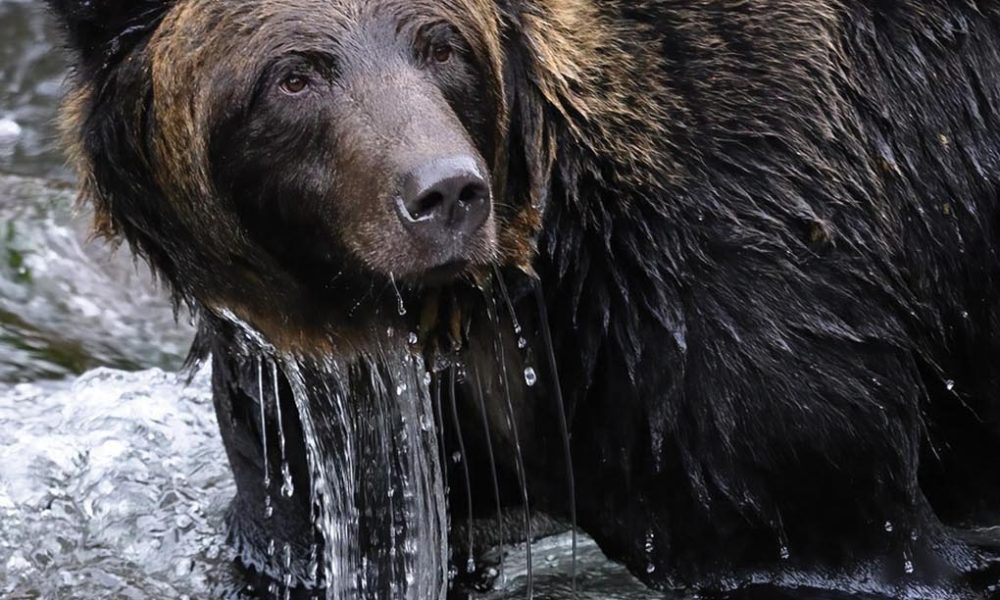



Oregon’s black bears are entering their annual period of intense fall feeding, and wildlife officials say securing garbage, pet food, and other attractants can help prevent bears from becoming a danger to people and pets.
The feeding period, known as hyperphagia, helps bears build fat reserves for winter. It begins in late summer as berries and other fruits ripen and peaks when pears and apples are available. During this time, bears may spend up to 20 hours a day foraging.
The Oregon Department of Fish and Wildlife said the mountain berry crop in Western Oregon was scarce this year, leading some bears to seek food near people earlier than usual. Once a bear finds an easy meal, it may return to the same place, increasing the chance of conflict.
Unsecured trash is one of the main ways bears are drawn into neighborhoods. Other attractants include compost, recycling, pet food, bird seed, livestock feed, and poultry feed. Removing or securing these food sources is the most important step residents can take to reduce conflicts and help keep bears wild.
Use garbage containers with locking or screw-on lids, or store bins and dumpsters in enclosed areas. Put trash out on collection day rather than the night before. Take down bird feeders while bears are active, feed pets indoors, store pet food inside, and clean and put away grills after each use.
People with backyard chickens should secure feed and coops. Vacation-rental managers are encouraged to provide bear-resistant garbage cans and explain their use to guests. Visitors should follow the same precautions, particularly along the coast, where bears may be present in populated and frequently visited communities.
Never feed or approach bears. Even accidental feeding can teach bears to associate people with food. Oregon law prohibits feeding bears. Bears have strong memories of food sources, and female bears can pass that knowledge to their young.
Residents should alert neighbors to unusual activity, including repeated daytime sightings or bears showing little wariness around people or pets. For help with a bear-human conflict, contact a local Oregon Department of Fish and Wildlife district office. Report concerns about human safety to Oregon State Police.
Fat Bear Week Crowns A Champion
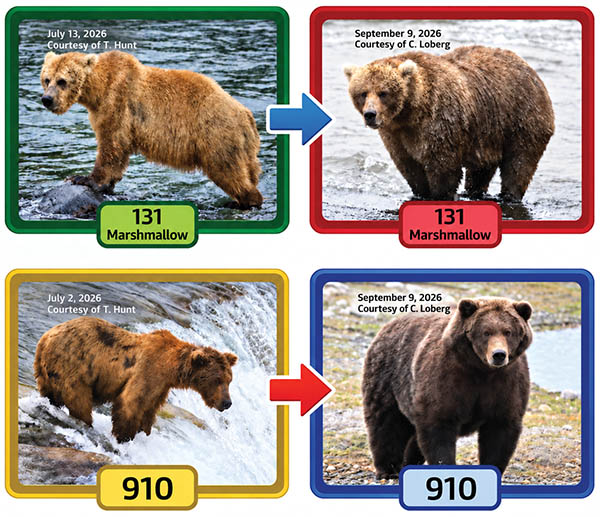
The seasonal feeding frenzy also inspired this year’s Fat Bear Week, an online contest featuring brown bears in Alaska’s Katmai National Park and Preserve. The annual bracket invites the public to vote for bears that have put on weight while feeding on salmon ahead of winter. It celebrates their seasonal transformation; Oregon’s black bears are not part of the contest.
The 2026 contest ran Sept. 22–29 and featured 16 bears. Bear 89, known as Backpack, won the final vote over Bear 910, receiving 103,334 votes to 98,253.
As Oregon’s bears search for food before winter, keeping human food and garbage out of reach can help prevent dangerous encounters.
Reach Publisher Teresa Pearson at [email protected].